Head-to-head
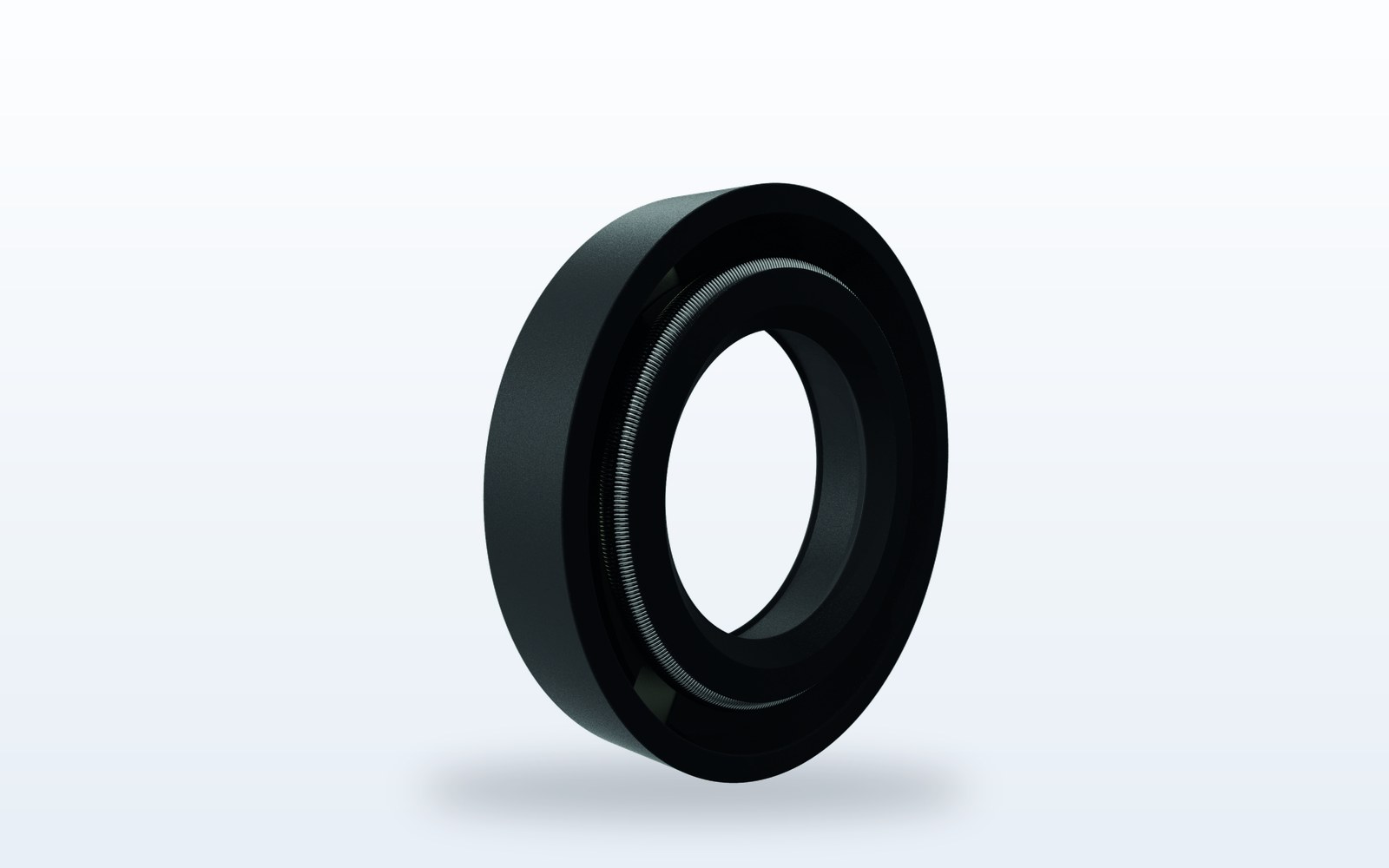
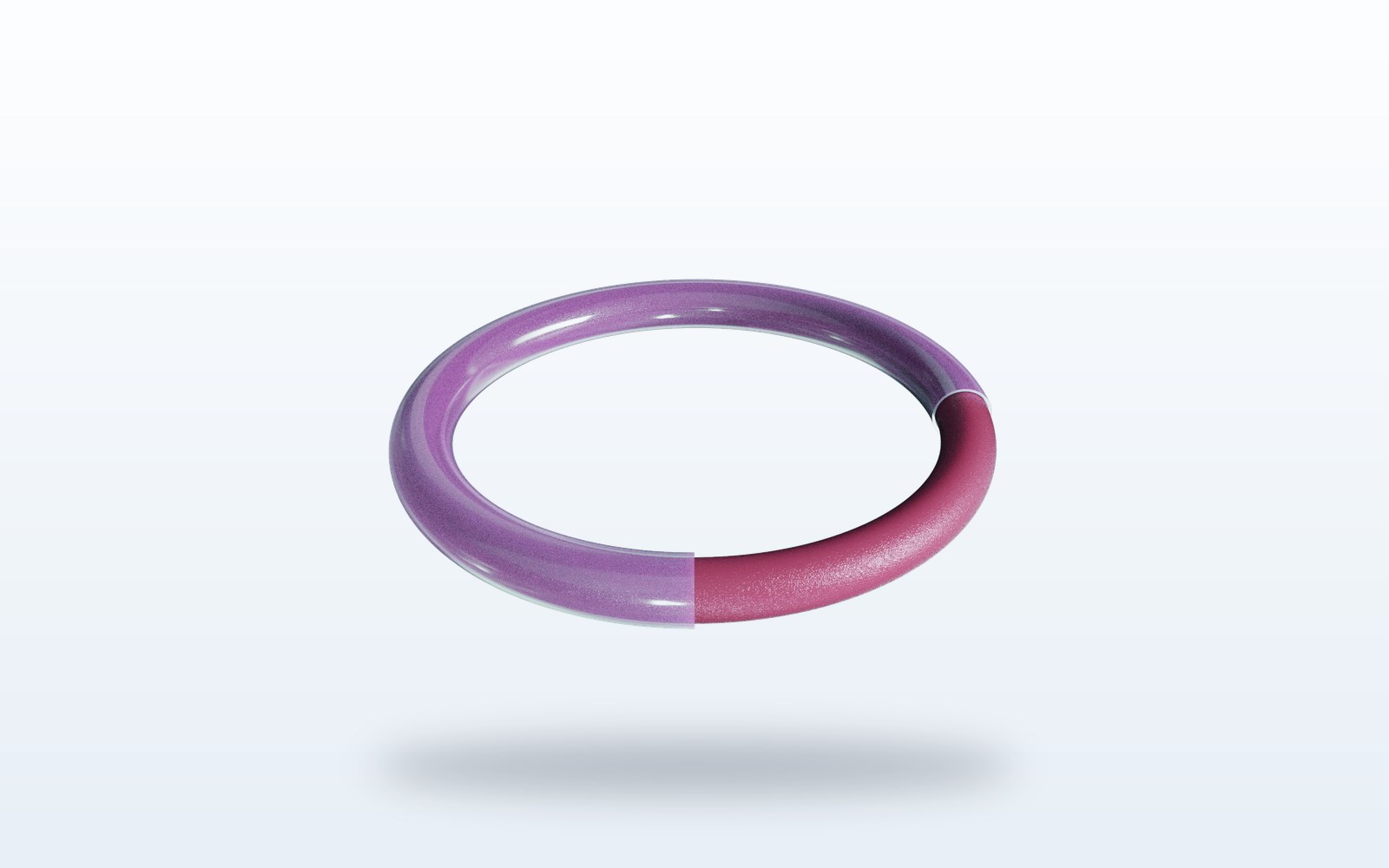
Aperflu 3175 vs Kalrez 7375
Two opposite design intents. Aperflu 3175 is the compliant grade — 224% elongation for dynamic seals and stretch installation; Kalrez 7375 is a harder, tightly crosslinked compound for static high-temperature chemical and steam service. The compression-set comparison is unusually clean: both are measured on AS568-214 O-rings over 70 h at about 200 °C, and there 7375 is clearly ahead.
| Property | Aperflu 3175 | Kalrez 7375 |
|---|
| Hardness |
72 Shore A |
79 Shore A |
| Tensile strength at break |
18.3 MPa |
16.9 MPa |
| Elongation at break |
224 % |
128 % |
| Compression set, 70 h |
21 % @ 200 °C |
9 % @ 204 °C |
| Max. application temperature |
Not published |
300 °C |
Highlighted cells indicate the more favourable published value.
Compression set is the exception: a shorter bar is the better result. Set values were measured at 200 °C (Aperflu) and 204 °C (Kalrez) on the same AS568-214 O-ring geometry.
Where 3175 leads
96 points more elongation (224% vs 128%) and 8% higher tensile strength. That compliance is what dynamic seals need: it follows shaft runout, eccentricity and misalignment, and it survives stretch installation over flanges without taking a permanent set.
Where 7375 leads
Less than half the compression set on the same O-ring basis (9% vs 21%), a published 300 °C application ceiling, and a crosslinking system explicitly rated for water/steam and oxidizing chemicals — a service window 3175 does not publish data for.
How to choose
Reciprocating and dynamic seals, wide-tolerance grooves, large-diameter O-rings that must stretch over a flange: 3175. Static high-temperature seals in steam or oxidizing media where set resistance and a documented temperature ceiling drive the decision: 7375.
Kalrez® and Spectrum™ are trademarks of DuPont de Nemours, Inc. Kalrez 7375 values are taken from DuPont published product datasheets (Dec 2019 / 2021); Aperflu 3175 values are taken from its compound technical data sheet. All figures are typical values, not specifications. Compression set is the most directly comparable property here — both datasets use AS568-214 O-rings, 70 h, ASTM D395B — but the set temperatures differ slightly (200 °C vs 204 °C). Confirm selection with immersion testing in the actual process fluid.